
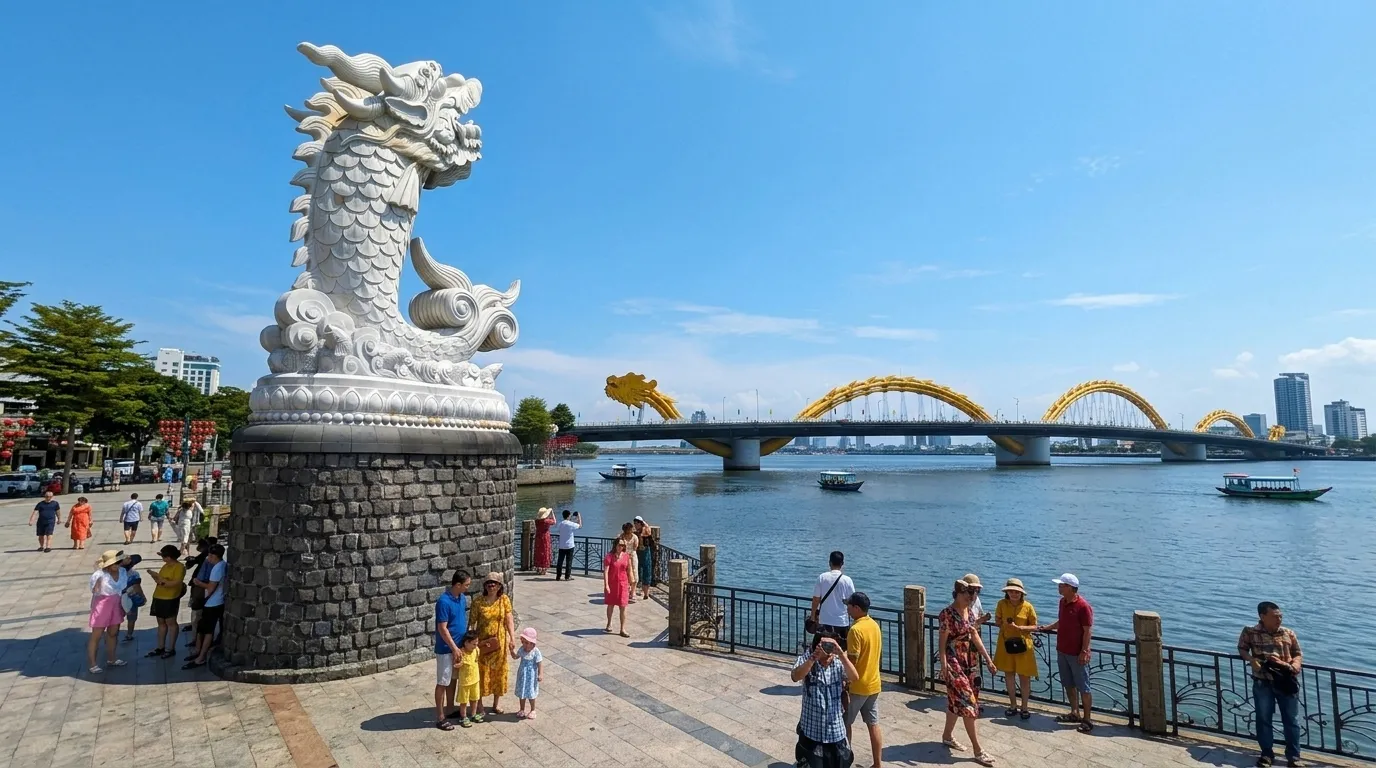
Da Nang has this wildly specific microclimate. It’s almost weird how localized the weather gets here, shaped so heavily by the geography. Guarded up north by the gorgeous Hai Van Pass and wedged right between the East Sea and the Truong Son mountain range, this coastal city gets entirely different weather from Hue. Which is crazy when you think about it since Hue is just a quick drive straight across those mountains. Because of this massive geographic advantage, Da Nang totally dodges the insane climate swings you see down south or up in northern Vietnam. Meaning we get a much more temperate vibe and a noticeably longer dry season. A lifesaver, honestly.
I’ve lived in Da Nang for several seasons as a local. I’ve survived the soggy rainy months, baked in the dry ones, and savored those fleeting transitional periods in between. If you’ve got flexible travel dates? Aim for March, April, or May. Honestly it’s the absolute best window to explore. Sits right in that sweet spot before the searing heat of June, July, and August kicks in, but long after the wet season packs up.
If your entire vacation dream involves ocean swims and rotting by a hotel pool all day long, June through August remain fantastic options. But if lounging on the sand is just a secondary thought for you, push your dates to the cooler months of March or April. Way better choice.
Da Nang Weather: Seasons, Best & Worst Months
- Dry Season: January to August*
- Rainy Season: September to December*
- Hottest Months: June, July, August
- Wettest Months: October and November
- Best Months to Visit: March, April, May
- Second Best Months to Visit: June, July, August
- Worst Months to Visit: October to December*
Please bear in mind that the precise onset and conclusion of the wet and dry seasons shift from year to year. Nature does what it wants. For a visual breakdown, you can reference this Da Nang weather chart. Here is another one to look over as well.
Best Time to Visit Da Nang: March, April, May

What to expect: hot temperatures, rare chance of rain
Hands down the absolute prime window to journey to central Vietnam and Da Nang falls right within March, April, and May. It’s a narrow pocket. This stretch of slightly cooler dry weather represents the sweet spot before the year’s most scorching temperatures arrive to ruin the vibe. The rainy season sometimes wraps up by January… but definitely don’t bank on it. Last year we had intermittent showers and miserable heavy cloud cover lingering super deep into February.
Out of this trio, March and April take the gold medal. Mostly because May starts dragging us into much warmer territory. You can anticipate the thermometer hovering right around the mid-to-upper 80s°F (28° to 31°C) all through March and April. Then May pushes toward June and July and things get exceedingly hot, with averages climbing into the high 80s°F and low 90s°F (31° to 33°C).
Since the brutal summer humidity hasn’t choked the city yet, this period is absolutely brilliant for embarking on outdoor excursions. Walking around the sprawling Ba Na Hills complex or hiking those steep stone steps up the Marble Mountains actually feels pleasant instead of being a sweaty ordeal. Plus the Son Tra Peninsula (Monkey Mountain) is breathtakingly lush right now. The preceding rains just revitalize everything up there. The greens are crazy vibrant—making it an incredible backdrop for nature photography or just taking aimless scooter rides along the coast.
One massive detail to keep in mind is the cluster of major national holidays at the end of April. Vietnam’s Reunification Day is observed on April 30. International Labor Day follows right behind it on May 1. Da Nang goes insane. The city morphs into a bustling epicenter for domestic tourism over this extended holiday weekend. Everyone travels. If your schedule collides with these festivities, securing your accommodations and flights well in advance is highly advised. I’m serious.
March, April, and May also serve as a spectacular timeframe for touring nearby Hoi An. Check out my guide on things to do in Hoi An, plus my sample three-day Hoi An itinerary. Need a bed? Read this piece on where to stay, covering various hotels and areas in Hoi An. You can also look into booking a private transfer from Da Nang to Hoi An here.
Second Best Time to Visit Da Nang: June, July, August

What to expect: hottest temperatures, rare chance of rain
Culturally speaking? The summer season is undeniably the most electric time to be in the city. The absolute crown jewel of these months is the Da Nang International Fireworks Festival (DIFF). It usually kicks off in late May or early June and runs straight through mid-July. International teams launch breathtaking pyrotechnic displays over the Han River, all perfectly synchronized to music. The energy along the riverfront and the nightlife during DIFF are truly unparalleled. Fair warning though… peak demand means elevated hotel prices. You’ll pay for the privilege.
Weather-wise, August, July, and June represent the second-best window to explore central Vietnam and Da Nang. You just have to be prepared for the heat. And I mean serious heat. These three months historically stand as the hottest of the entire year in Da Nang. Rings equally true for Hoi An and Hue. (Check out my article comparing visiting Da Nang and Hoi An for a deeper dive).
Expect temperatures to completely soar into the mid-to-upper 90s°F (mid-to-upper 30s°C). It’s intense. Bright blue skies every single day and a nearly nonexistent chance of rain. You probably won’t see a drop. September is when temperatures finally begin their decline.
Surviving the blistering midday sun means doing what the locals do. Just hide. Residents of Da Nang largely avoid venturing out during the peak afternoon heat entirely. It’s a ghost town at 2 PM. Because of this you will notice My Khe Beach bustling with absolute life at 5:00 AM. Tons of people out for refreshing sunrise swims. Then it completely empties out by 9:00 AM. Surging with massive crowds once more after 4:00 PM when the sun finally begins to dip. Take a nap during the day.
Worst Time to Visit Da Nang: September to February

What to expect: cooler temperatures, high chance of rain
I hate the gloom. Due to persistently gray skies and relentless rain, the stretch from September through February is easily the least favorable time to visit Hue, Hoi An, and Da Nang in my opinion. The core of this rainy season unfolds over the four wettest months of the year: September, October, November, and December. Out of these, November and October are notoriously the worst offenders.
The grim reality of traveling between September and November is the looming threat of typhoon season. Powerful storms start out in the East Sea and frequently batter the central coast with fierce winds and torrential heavy downpours. It is common for visitors to face temporary beach closures because of dangerous rough swells. Down the road, neighboring Hoi An regularly suffers from massive flooding all throughout its famed Ancient Town. The water just rises right over the streets. Because the rainy season often kicks off right at the beginning of autumn, scheduling a vacation for September is just inherently risky.
If you do get trapped in a torrential downpour, Da Nang has a decent amount of indoor stuff to salvage your daily itinerary. Spend a gloomy afternoon cafe-hopping along the banks of the Han River. Hunt for cheap unique souvenirs inside the bustling Han Market. Or explore the captivating Museum of Cham Sculpture. Tour the Da Nang Museum. Or just escape to the massive indoor Fantasy Park up at Ba Na Hills.
There is a silver lining to all this rain. This period gives us the coolest temperatures of the year. As September ushers in the initial cooldown, daytime highs drop to the upper 80s°F (31°C). Come October averages sit down in the mid-80s°F (29°C), sliding further to the low 80s°F (27°C) by November. December, January, and February are the coldest months. The thermostat maxes out in the high 70s°F (25°C) and can actually dip as low as the high 60s°F (20°C).
Precipitation during this low season makes absolutely no sense. Some days suffer from non-stop all-day rain. A complete washout. Other days might just see a brief shower. Or no rain whatsoever. The real payoff here is the money. Hotel rates in Hoi An and Da Nang hit their absolute cheapest points during these months.
Forced to select dates within this nasty window? I’d probably go with February and January. Simply because they are the driest and coolest options available. Not inherently awful times to travel, but I’ve never truly loved the weather then. Sure they escape the heavy autumn typhoons… but January and February frequently suffer from this weird persistent misty “spring drizzle.” Plus there’s this lingering cloudiness blocking the sun. For whatever reason the skies rarely achieve that striking clear blue aesthetic that provides the ultimate Da Nang experience.
Despite the overcast conditions, February and January bring Tet. The Lunar New Year. The cultural magic is undeniable. If your trip aligns with Tet celebrations, you will witness the city bloom with incredible flower displays and lively street decorations. Beautifully festive atmosphere everywhere. Just know that the week surrounding the Tet holiday triggers temporary closures for numerous family-run businesses. Plus a brief spike in travel costs since everyone is heading home to see family.
When to Visit Da Nang
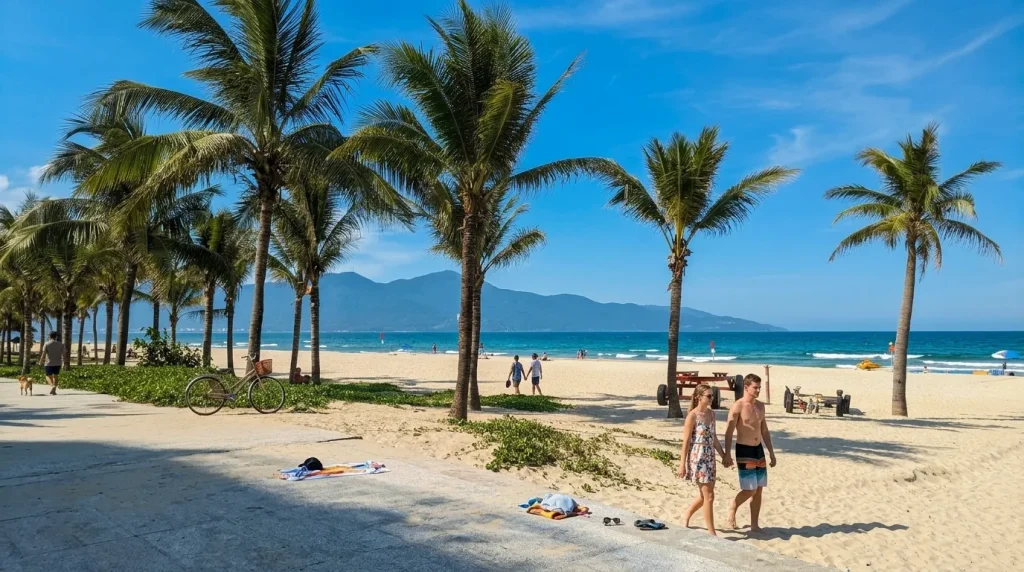
Pinpointing your perfect arrival date depends totally on your personal travel style. Packing smartly can literally make or break your vacation. Summer visits mean you need lightweight breathable linens and heavy-duty high-SPF sunscreen. Braving the autumn typhoons? A sturdy poncho and waterproof footwear are mandatory. Don’t bring your nice sneakers. Tossing a light jacket into your suitcase is totally essential for those comfortably breezy cool winter evenings.
Look. If you possess the luxury of trip flexibility, May, April, and March are outstanding options. Dry conditions way before the boiling summer heat settles in. Forced to select just a single month? April stands out as my top choice. It falls perfectly within the dry season but successfully avoids the escalating temperatures that always ruin May.
August, July, and June remain incredibly dry. But the heat is intense. If you consider yourself a dedicated beach-goer and intend to spend the majority of your time lounging on An Bang Beach in Hoi An or Da Nang’s My Khe Beach, this heat will likely be a non-issue. You’ll probably love it. But if your itinerary is packed with heavy foot travel through Hoi An’s Old Town or Da Nang’s city center, the extreme temperatures will absolutely drain you after an hour or two. Sweating through all your clothes.
January and February give you much cooler temperatures and a noticeably lower chance of rain. I still find the skies to be way too dark and cloudy then. But since these months are part of the low season, they offer an amazing opportunity to secure fantastic deals on flights and hotels in Da Nang and Hoi An.
As for November and October – the two wettest months – I would never purposely plan a Da Nang vacation during this window. Ever. But if you have to go then… make sure you prepare your poncho!