
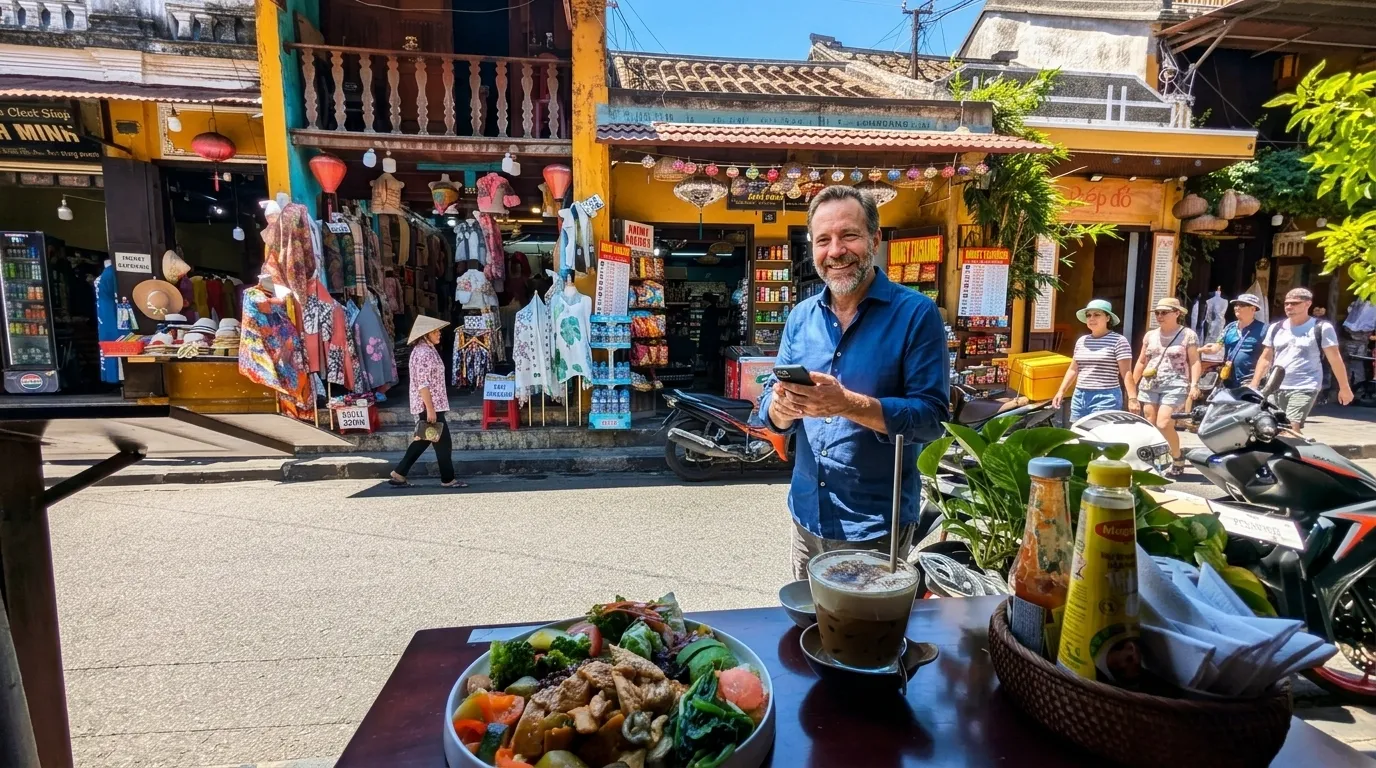
Although my home base is Da Nang – a mere 40-minute journey away depending on traffic – I frequently find myself hopping on my trusty scooter to commute down to Hoi An. I do it for dinner. Sometimes lunch. Or coffee. Or simply a random day of aimless exploration. Honestly, making the coastal ride down Vo Nguyen Giap street provides what I consider one of the most stunning short drives in all of Central Vietnam. It never gets old. Along this route, you’re treated to this incredible, constant ocean breeze and sweeping sea views before the road eventually cuts inland toward the ancient port town.
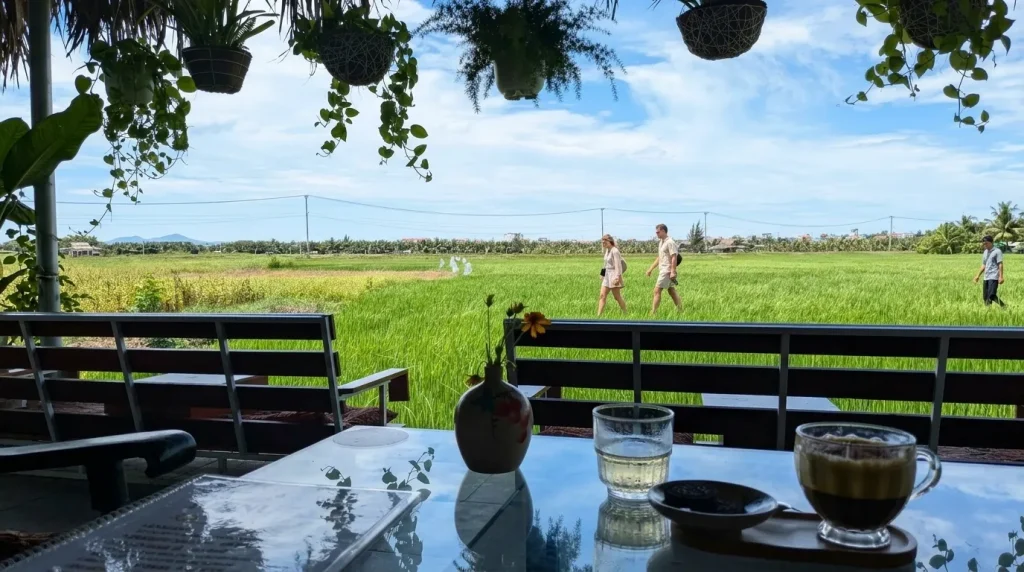
Right now? I am sitting here putting my messy notes together for this comprehensive guide while enjoying a massive meal and iced coffee at Nghé Coffee & Vegan, situated beautifully right in the middle of the rice fields just outside Hoi An. Vietnam’s cafe culture is genuinely unmatched. Seriously. Whether you are an aficionado of a modern, perfectly pulled espresso or prefer a traditional Vietnamese drip coffee (cà phê phin) steeped with intensely strong, jet-fuel robusta beans… you are in for an absolute treat.

Because just hanging out in Hoi An’s rural cafes is one of my all-time favorite pastimes, I highly recommend checking out the rice field coffee shops during your visit. I’ll dive way deeper into NGHE and some others further down in the countryside section of this post.
Expect a massive, long guide packed with my personal videos and photos below. By the time you reach the very end, my goal is to equip you with literally all the vital details you need to select your perfect base in Hoi An. (If you’d rather just skip the area breakdowns entirely and only look at accommodations, feel free to check out my newly published Hoi An hotel guide).
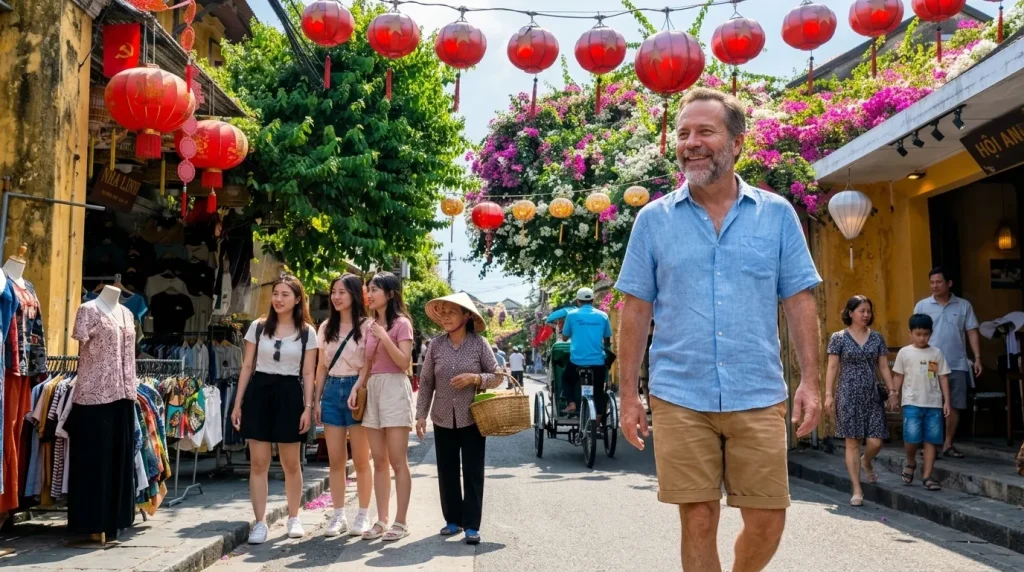
Unlike Da Nang, which is packed wall-to-wall with massive high-rise hotels offering far-reaching mountain or ocean views, accommodations in Hoi An take a completely different shape. Thanks to some really strict local heritage preservation laws that cap building heights, the town has maintained an incredibly photogenic, low-slung, and intimate skyline. No skyscrapers blocking the sun here. Consequently, Hoi An easily beats Da Nang when it comes to the ultimate boutique hotel experience. You’ll primarily find resorts, gorgeous hidden villas, homestays, and boutique hotels here.
Based on my years living in Da Nang and countless, sweaty trips down to Hoi An, I firmly believe the greatest areas to book a stay are right in (or bordering) Old Town, out by the beaches (Cua Dai or An Bang), or deep in the countryside surrounded by endless rice fields. I’ll provide my top hotel picks for each locale below.
To help round out your trip planning, you’ll also need to figure out the best time to visit Hoi An, look into my sample three-day Hoi An itinerary, and explore my broader guide covering things to do in Hoi An. Also, if you are traveling nationwide across the country, I’ve authored detailed “Where to Stay” guides for Nha Trang, Hanoi, Ho Chi Minh City, Hue, Ninh Binh, and Da Nang.
Staying in Old Town (Ancient Town)
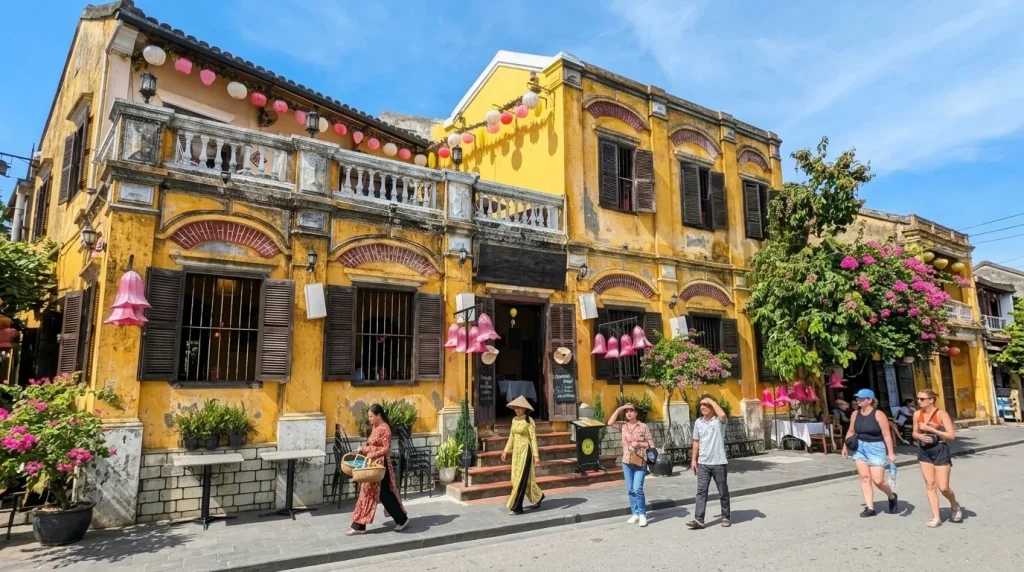
Recognized as a UNESCO World Heritage site back in 1999, Hoi An’s Ancient Town (Old Town) serves as a remarkably well-preserved example of what a bustling Southeast Asian trading port looked like from the 15th to the 19th centuries. Known as “Lam Ap Pho” during the era of the ancient Champa Kingdom and later dubbed “Faifo” by European merchants, the district was once a booming international commercial hub. Today? Old Town is exceptionally pedestrian-friendly and wonderfully walkable. You’ll marvel at the narrow merchant houses and distinct yellow walls that display a wild, aesthetic fusion of Chinese, Japanese, and Vietnamese architectural styles.

For first-timers, staying in or immediately around Old Town is my ultimate recommendation. Period. It provides unmatched walkability, convenience, and proximity to all the major attractions.
All the hotels I mention below are an easy, casual walking distance from the spots featured in my personal Old Town photos.
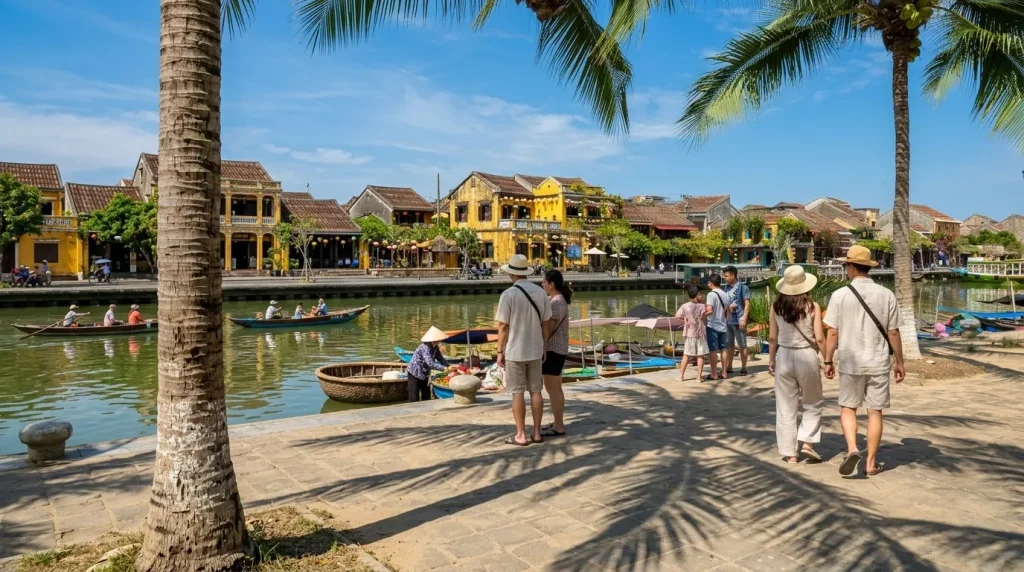
Starting around 3 PM daily, the local government completely closes the Old Town streets exclusively to foot traffic. Before this cutoff, you will see motorbikes and scooters zipping freely throughout the district. From roughly 4 PM onward… the streets begin to get incredibly busy and remain exactly that way well into the night. Yes, the crowds are dense. But Old Town is just breathtaking after dark with its countless lit lanterns hanging everywhere. If you manage to schedule your visit to land on the 14th day of the lunar month, you will get to witness the spectacular Lantern Festival. During this magical evening, all electric lights are completely shut off, leaving the streets illuminated entirely by the warm glow of lanterns. It’s surreal.
Eastern Old Town Accommodations & Coffee
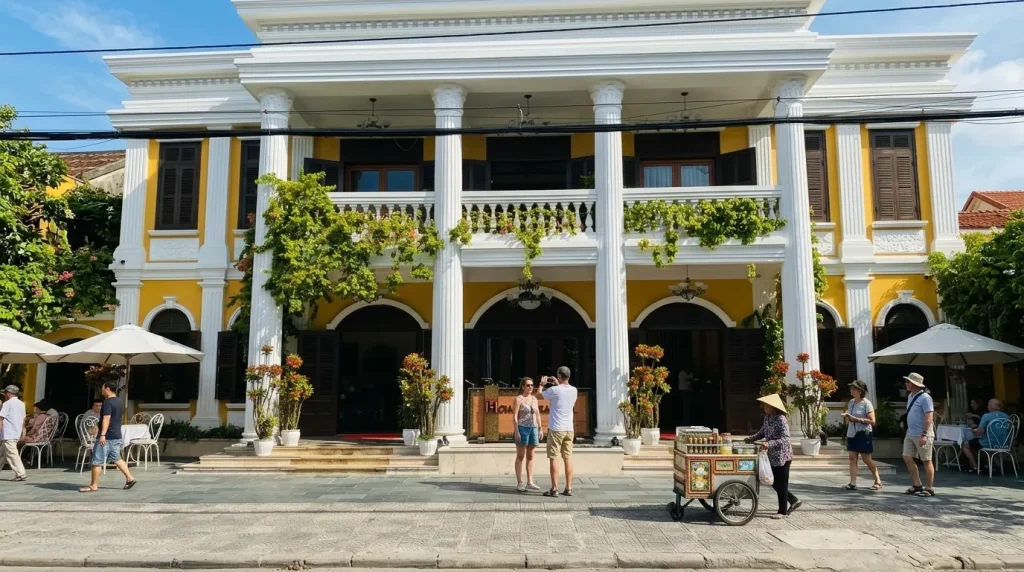
Over on the eastern perimeter of Old Town, you have two fabulous accommodation choices. If you prefer to be slightly removed from the insane bustle, the five-star Little Riverside Hoi An sits beautifully along a much quieter stretch of the Thu Bon River. On the flip side, the three-star Hoian Central Hotel provides a superb stay on a slightly busier street.
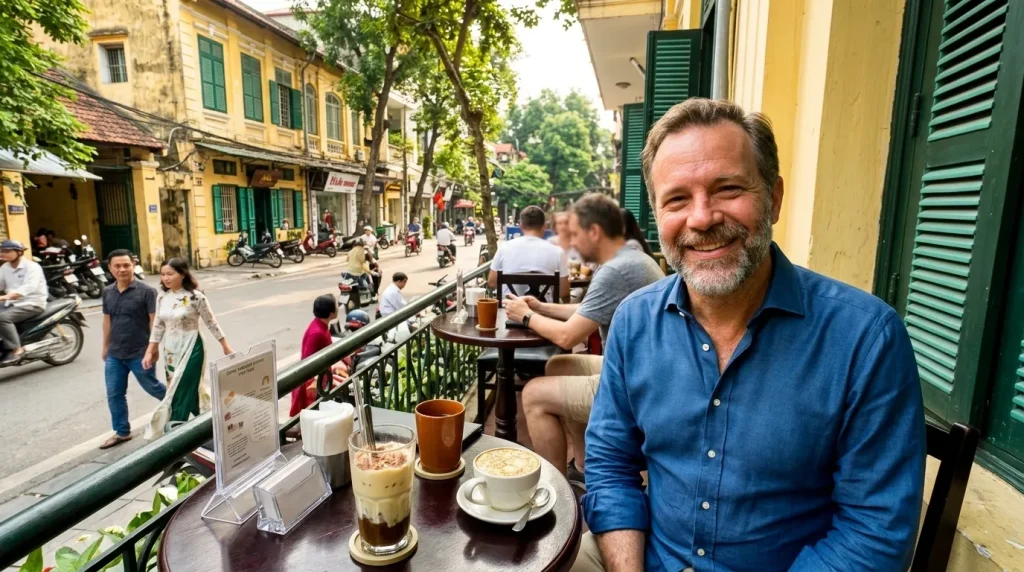
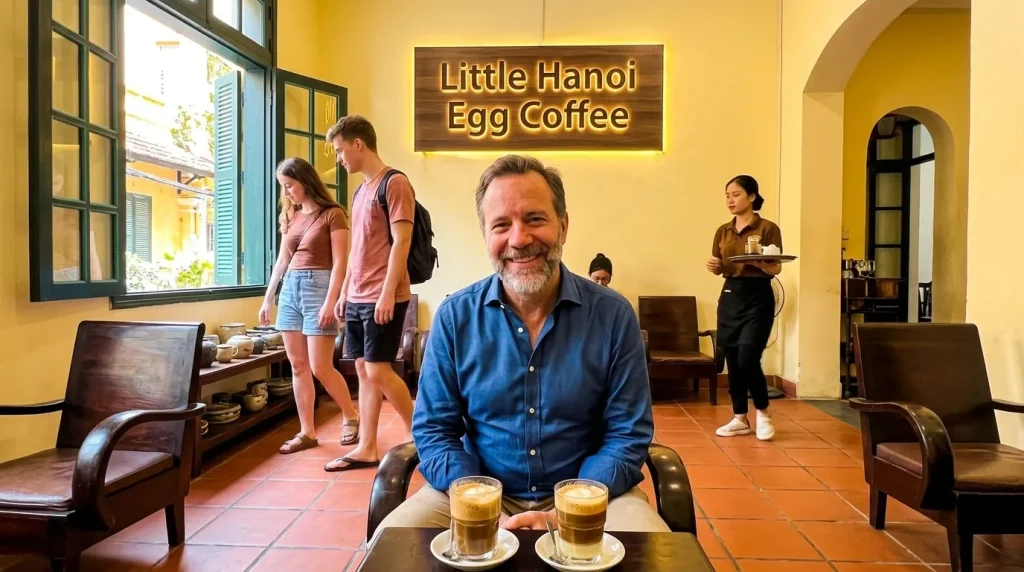
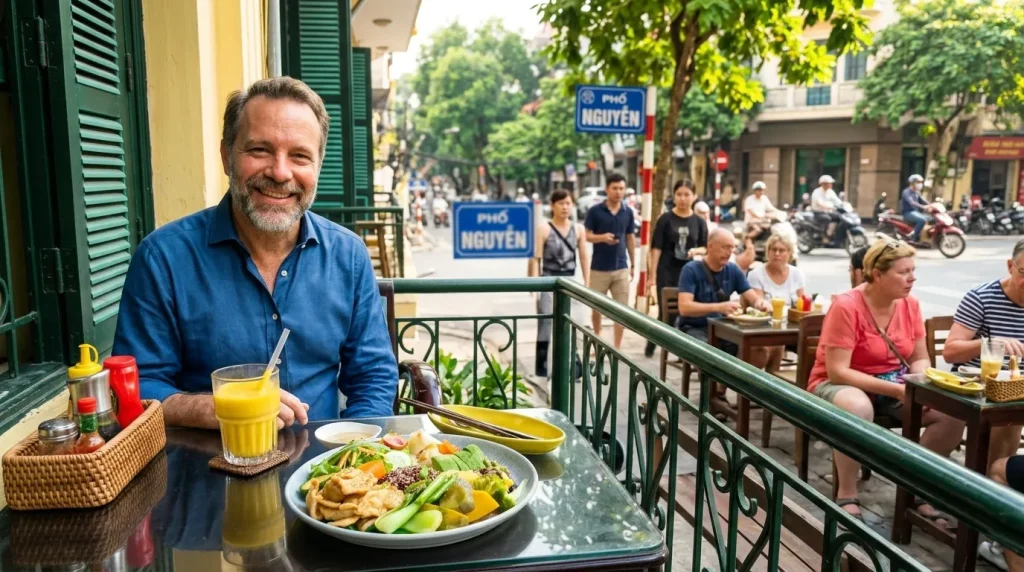
Finding low-key cafes to just sit and soak in the Old Town or river ambiance is undoubtedly one of my absolute favorite things to do in Hoi An. Doing so offers amazing opportunities to drink tasty, cheap coffee while interacting with friendly locals. Just around the corner from both the Little Riverside and the Hoian Central is Little HaNoi Egg Coffee, located on Phan Boi Chau. Featuring life-saving air conditioning across its two indoor floors, this spot serves phenomenal egg coffee. Having also visited Little HaNoi’s branches down in Ho Chi Minh City, I can vouch for their consistent quality. During a recent visit, I ordered their hot egg coffee and their cold cacao coffee. Both were stellar. And at just 40.000 VND each, they are an absolute steal.

Over the years, I have read numerous angry accounts from travelers labeling Hoi An a “tourist trap.” In the city’s defense, possessing a UNESCO World Heritage Site title naturally brings heavy local business and massive tourism – a phenomenon seen literally worldwide. Old Town is not all of Hoi An. It isn’t even close. As soon as you step just slightly outside the ancient center, the environment becomes very local, very quickly.
My best advice? Do not fixate solely on the touristy elements or individual souvenir shops. Instead, step back and absorb the bigger picture. Grab a coffee. Sit back for some epic people-watching and admire the history and architecture all around you. Gaze out at the rice fields and the Thu Bon River, imagining what life looked like centuries ago in this vital trading hub.
Also, the district is a bona fide culinary powerhouse. You must taste local specialties like Cao Lầu, a beloved chewy noodle dish historically crafted using water drawn from the ancient Ba Le well and ash gathered from Cham Island wood. You just can’t get it anywhere else. Similarly famous are the White Rose Dumplings (Bánh Bao Bánh Vạc), exquisite edible artworks created using a fiercely guarded recipe known to only a single local family.
While exploring the streets, don’t miss the grand Chinese assembly halls built centuries ago, such as the Hội Quán Phước Kiến. Dedicated to specific deities, these stunning complexes functioned as communal centers for social gatherings and religious worship back in the day.

If you are eyeing the northern edge of Old Town, my top picks include the very highly rated 3-star boutique Lion King Hotel – which boasts an awesome location for exploring on foot – and the luxury Allegro Hoi An.
Over on the western edge of the district, my absolute favorites are the Cozy Savvy Boutique Hotel and the La Charm Hoi An . If you are looking for absolute 5-star boutique luxury… the La Siesta Hoi An Resort is phenomenal, and it sits about as far west as I would ever suggest booking.
A crowning historical jewel near the western boundaries is the iconic Japanese Covered Bridge (Chùa Cầu). Originally built by the Japanese community to link their neighborhood with the Chinese quarter. Folklore suggests the bridge was also constructed to act as a metaphysical sword, pinning down the heart of Namazu, a mythical monster believed to cause earthquakes. Following a meticulous, multi-million dollar restoration spanning 19 months that concluded in August 2024, the structural integrity of this 400-year-old wooden bridge has been fully reinforced. It looks incredible. To cross it, you will need to present a standard 120,000 VND ($6) Old Town ticket.
Exploring the Southern Islands: An Hoi and Cam Nam
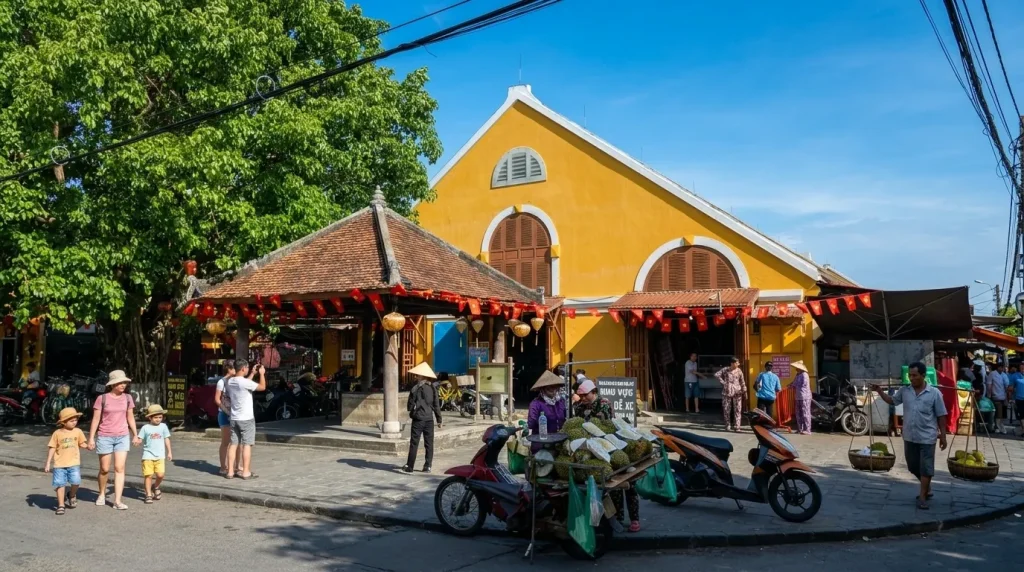
Just south of the Old Town district, resting across the Thu Bon River, are two walkable and incredibly fun islands: Cam Nam and An Hoi. You can easily scooter, bicycle, or walk over the bridges linking these islands to the mainland. (If you want to cycle, note that many hotels rent bikes out or offer free ones to guests… though quality varies wildly. You can always ask your front desk to arrange scooter or bicycle rentals. Alternatively, check out the website for Heaven & Earth Bicycle Tours located right on An Hoi Island).
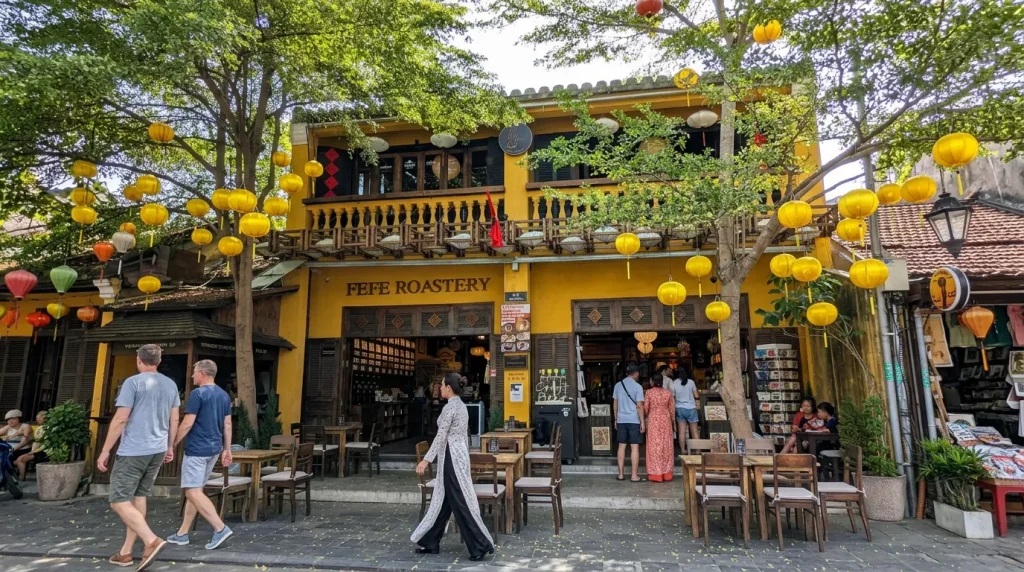
An Hoi Island
A bit smaller but densely packed, An Hoi Island houses the lively Hoi An Night Market, along with a massive concentration of hotels, cafes, and restaurants. Three short bridges connect An Hoi to Old Town, including a highly scenic, short walking bridge situated at the busy crossroads of several smaller Old Town roads (like the intersection of Nguyen Thai Hoc and Bach Dang streets).
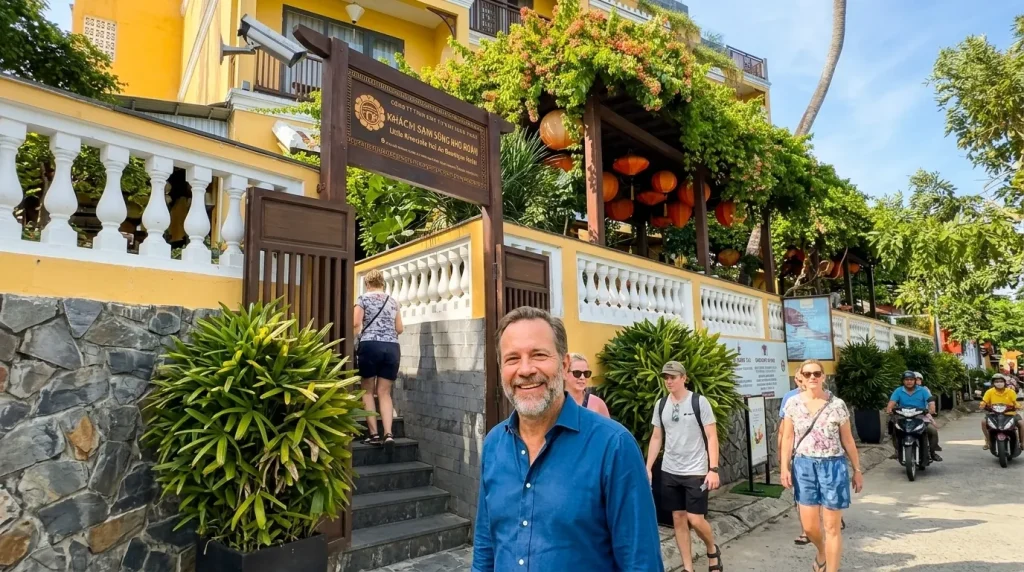
For accommodations here, the 5-star RiverTown Resort is a phenomenal choice for families, offering an adult pool in the front and a dedicated family pool in the back. The Lantana Boutique Hotel is another stellar property boasting a great location.
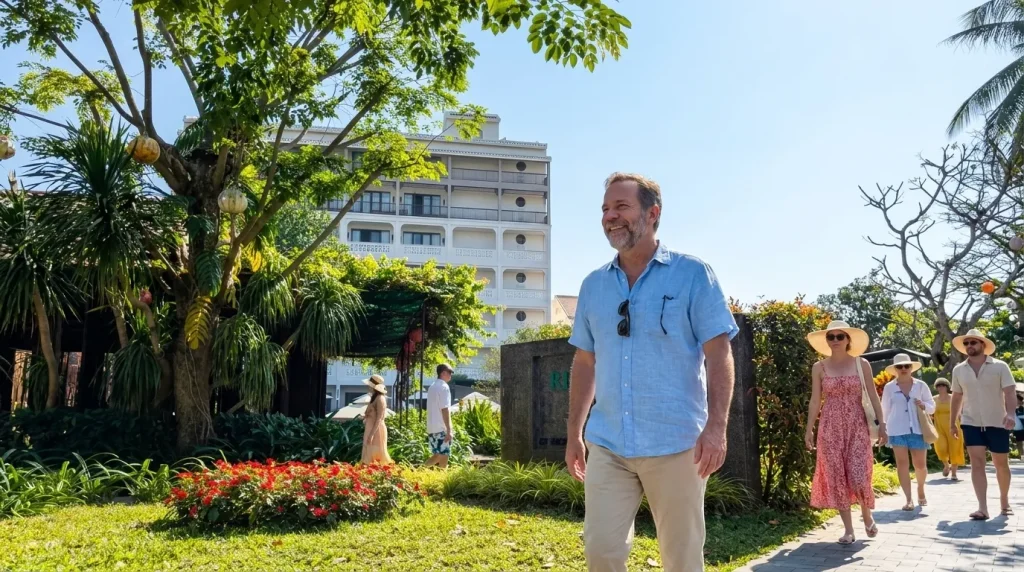
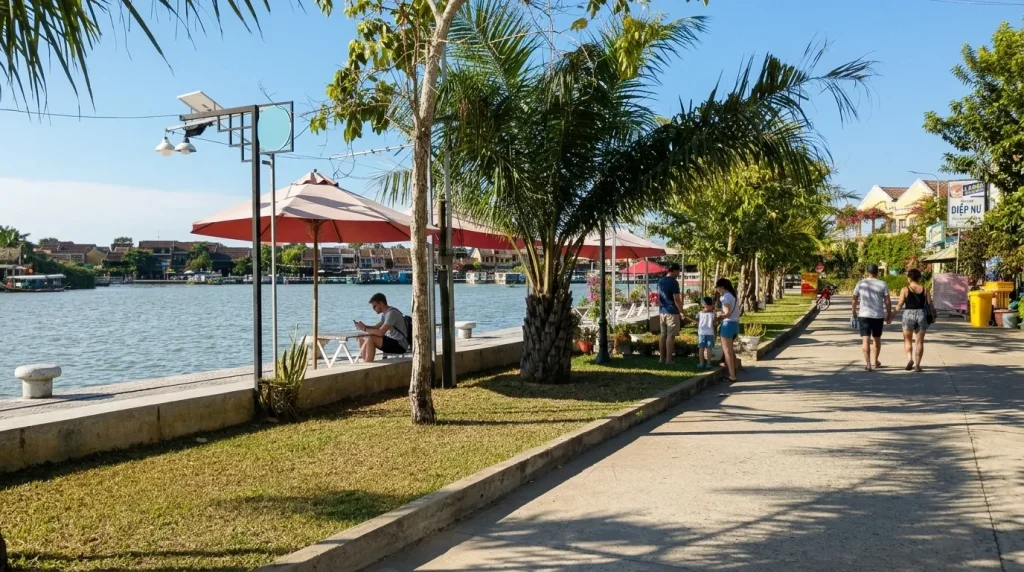
The riverfront area of An Hoi that faces Old Town is an exceptionally peaceful place to catch your breath. Check out 11 Ca Phe here. You don’t even need to be staying on the island to enjoy it. It offers a surprisingly serene vibe right on the Thu Bon River.
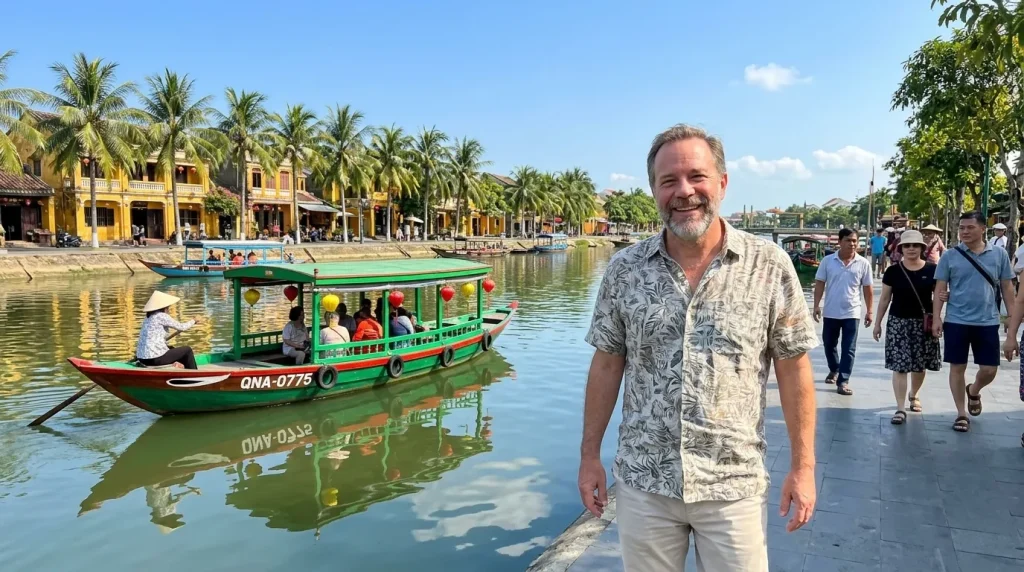
Cam Nam Island
Geographically situated to the west of An Hoi Island is Cam Nam Island. Connected to the mainland by a small bridge that allows a quick five-minute walk right into Old Town, Cam Nam feels a pinch further outside the tourist zone and significantly more local. Foodies should definitely take note of this island. It is incredibly famous for unique rural dishes like Bánh Đập (smashed rice paper) and Hến Trộn (minced clams).
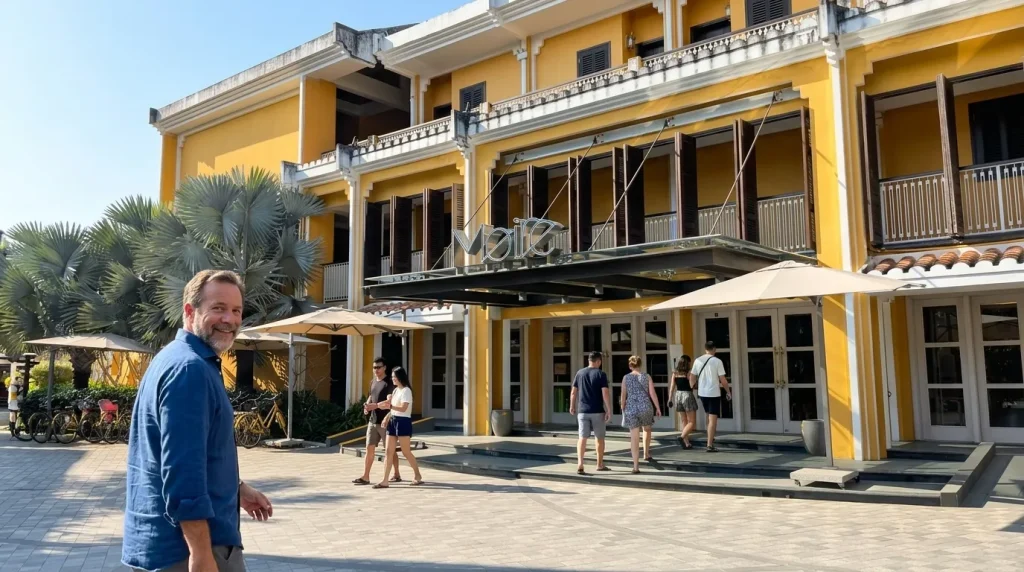
If you seek luxury here, the five-star Moire Hoi An is perched right at the front of Cam Nam Island, featuring a beautiful pool situated out back along the Thu Bon River. Just around the corner from the Moire is Papa’s Coffee. Run by a lovely grandfather and his family, this quiet spot offers phenomenal river views, making it a perfect place for sitting in the shade and escaping the heat.
Tailoring and Countryside Proximity

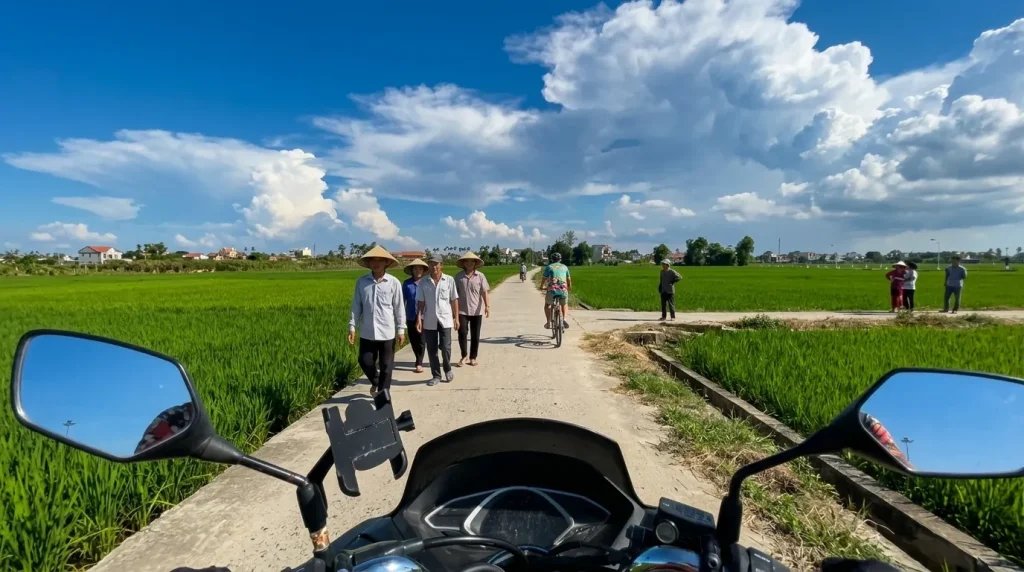
If you rent a scooter or can handle a 15 to 20-minute bike ride, leaving the Old Town area to venture into the countryside is an awe-inspiring experience. East of Old Town lies the Cam Thanh region, home to amazing rice fields that are breathtaking to view at sunrise, sunset, or anytime the skies are clear. Another popular and fun way to get out to these fields is via Hoi An’s new-ish electric carts (golf carts), which you’ll frequently see shuttling tourists around.
Lastly, before moving on to the beaches, I must mention Hoi An’s booming custom-made clothes and tailoring scene. I have personally never utilized these services myself. But friends who have had custom dresses, shirts, and suits crafted here rave about the experience constantly. The turnaround times are incredibly fast – often a mere 24 to 48 hours. You will be asked to return for several fittings to guarantee exact measurements. Yaly Couture and Blue Chic Tailor are exceptionally well-regarded and popular options. Let me know in my free Hue, Da Nang, and Hoi An travel planning group if you need help doing further research on tailors!
Staying on Hoi An’s Beaches
An Bang Beach
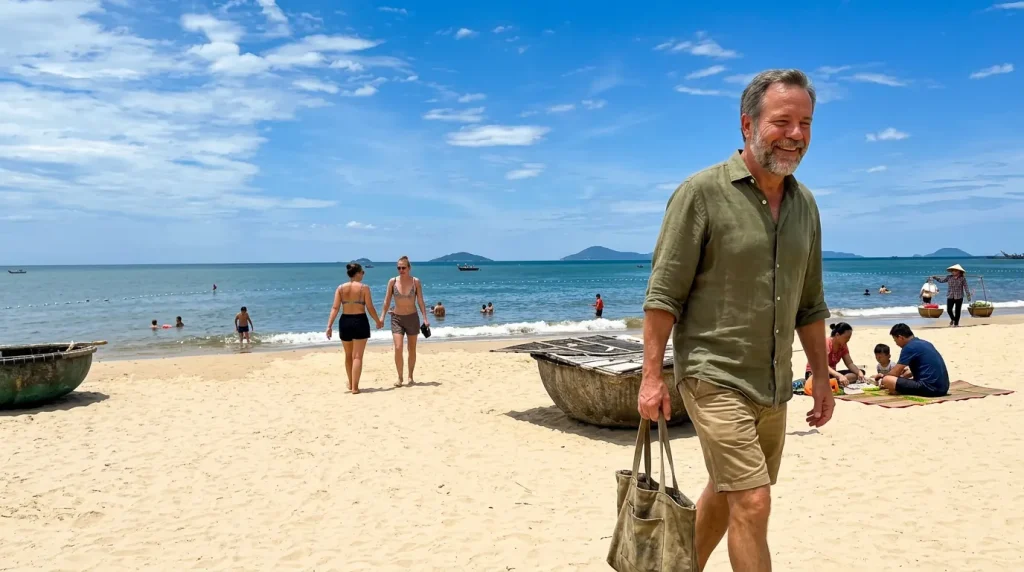
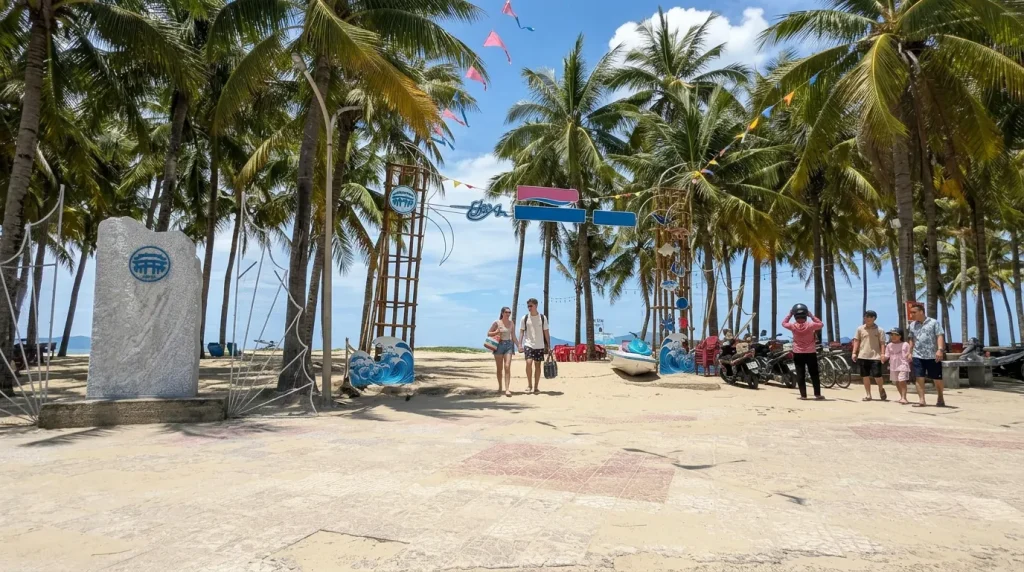
In the 2024 Tripadvisor Travelers’ Choice Awards, An Bang Beach secured the rank as the 5th best beach in all of Asia (for context, My Khe Beach up in Da Nang ranked 6th). To experience the absolute best beach conditions and weather, plan your trip during the dry season, which spans from February through August.

While An Bang is undeniably a laid-back environment, it is usually quite crowded and busy. You’ll find it populated mainly by vacationers rather than locals swimming. The beach features several roped-off swimming areas, and for thrill-seekers, it’s remarkably easy to arrange parasailing off the coast or rent paddleboards for the afternoon. You can secure sun loungers for the entire day for between 50.000 and 100.000 VND each. Though many beachfront restaurants will happily let you use them for free if you purchase smoothies, drinks, or food from them.
The immediate neighborhood surrounding An Bang is highly walkable and jammed with a ton of cafes and restaurants, particularly along Nguyen Phan Vinh Street.
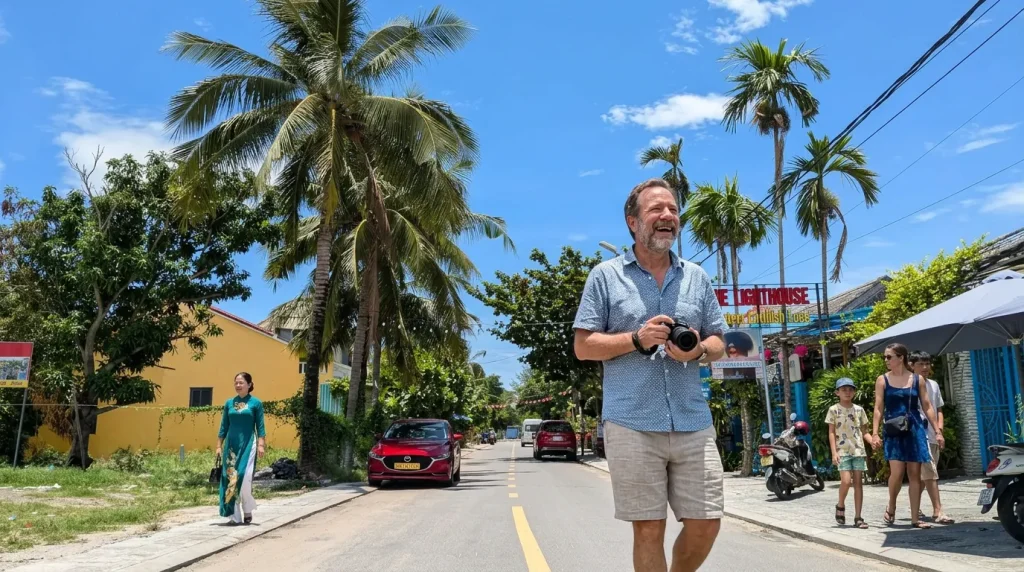
If you wish to stay right by the sand, you can easily find hotels in An Bang Beach. Three of the absolute best include the Under the Coconut Tree Hoi An Homestay, the AIRA Boutique Hoi An Hotel, and the Linh Seaside Villa.

Getting to An Bang Beach
When travelers ask me for advice, I always emphasize that Hoi An’s beaches (Cua Dai and An Bang) are not within walking distance of Old Town. A bicycle or scooter rental solves this instantly. It’s a beautiful ride that passes through awesome rice fields (there is a small, unnamed road between Old Town and the beach perfectly suited for biking).
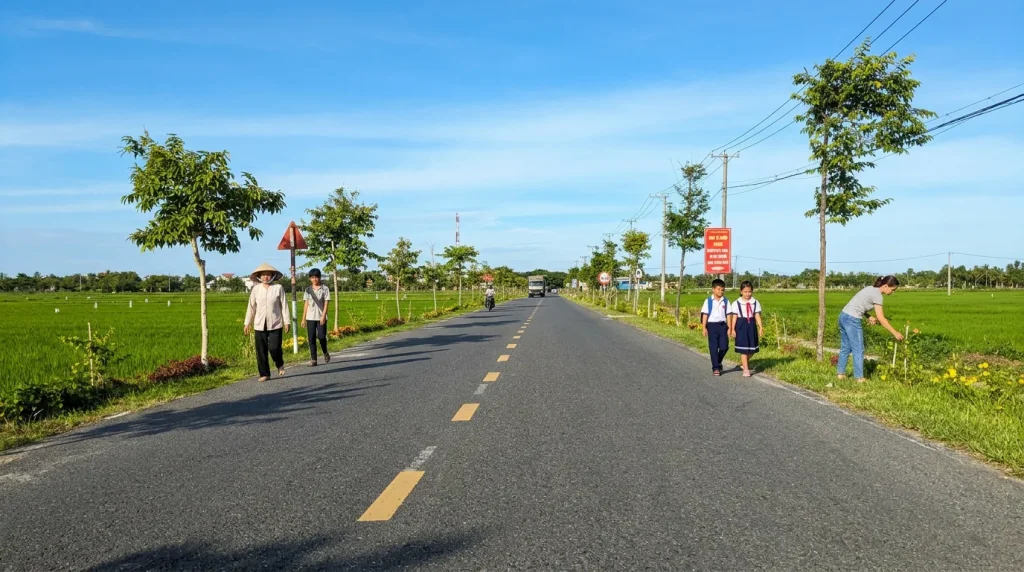
If you don’t wish to drive yourself in the chaotic traffic, many hotels now offer electric cars (shuttles/golf carts) to transport guests to the beach. Additionally, I highly recommend downloading the Grab app – it’s the most useful app for traveling in Vietnam. Booking a taxi via Grab from Old Town to An Bang will only cost around $3 USD, and opting for a GrabBike (moto-taxi) is even cheaper.

Cua Dai Beach
Cua Dai Beach is Hoi An’s other major coastal stretch. Positioned south along the coast from An Bang Beach, it is closely situated near the Cua Dai port, where daily speedboats launch toward the nearby Cham Islands (Cu Lao Cham).

Historically, beginning around 2014, Cua Dai suffered from severe coastal erosion. It looked pretty rough for a while. But the beach has experienced a remarkable rebirth. From 2020 to September 2024, engineers completed a massive 2.3-kilometer underground breakwater project. Thanks to this crazy feat of engineering, as of 2026, the area proudly boasts over 100 meters of smooth white sand once again, allowing beachfront businesses to completely reopen. To ensure Cua Dai fully returns to its former glory, an ongoing €42 million project backed by the French Development Agency will continue protecting the coastline through 2026.
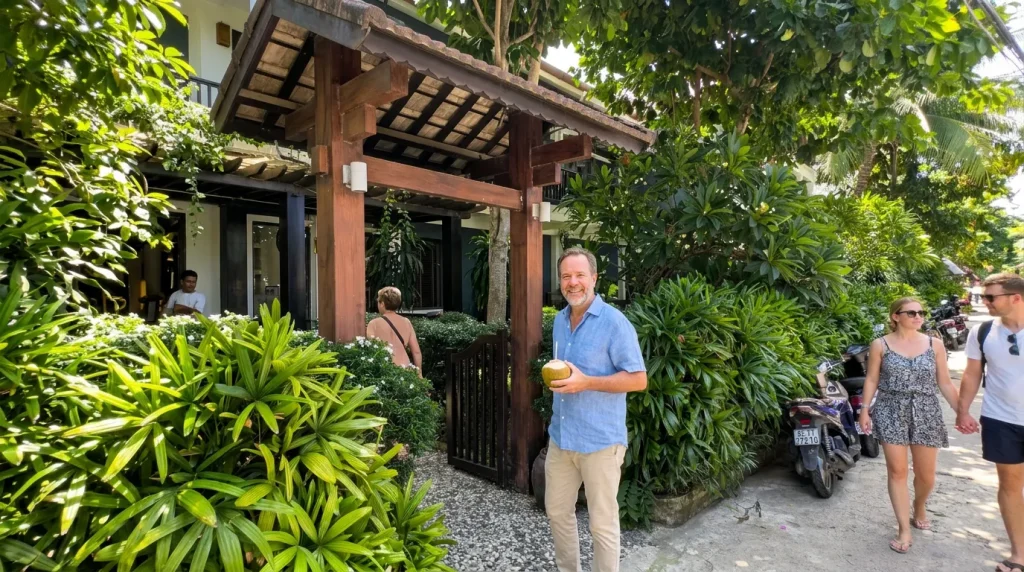
If you want to stay here, you can search for hotels near Cua Dai Beach. The four-star Hoi An Beach Resort sits directly across Au Co Road from the beach. For a quieter and more private option located right on the sand, consider the Victoria Hoi An Beach Resort and Spa or the lovely Palm Garden Resort, which I recently had the pleasure of visiting.
To reach downtown Hoi An from these hotels, you can ride a bicycle along Cua Dai Road – it’s essentially one long straightaway right outside these resorts. Super easy. (Here are the directions from Cua Dai Beach to Old Town on Google Maps). Alternatively, Grab taxis remain cheap, easy, and incredibly convenient. You can find my other suggested travel apps here. And if Da Nang’s shores pique your interest, check out my favorite Da Nang beaches, my guide on getting from Da Nang to Hoi An, and my complete Da Nang travel guide.
Staying in Hoi An’s Countryside
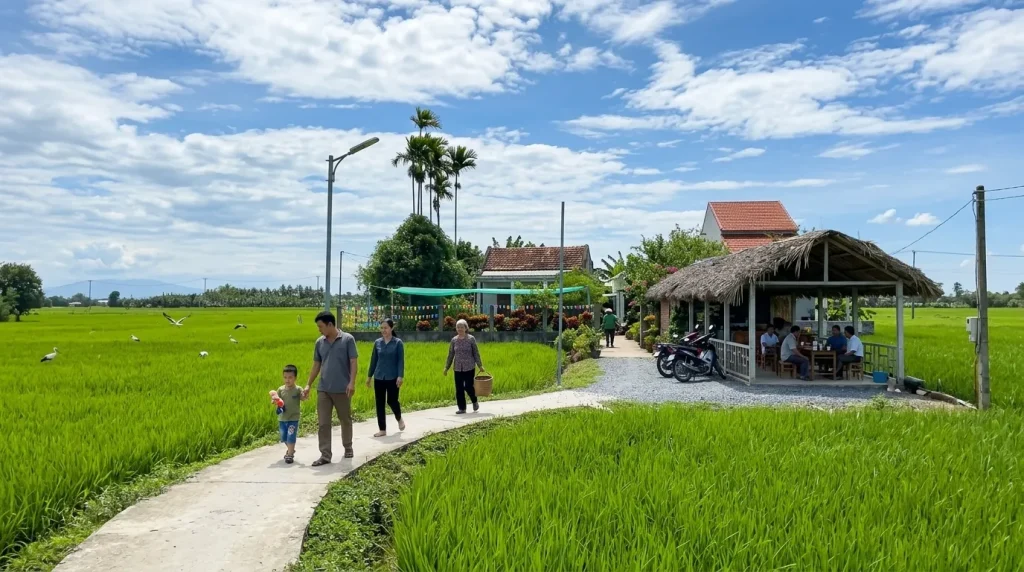
The countryside enveloping Hoi An provides some of my absolute favorite views in all of Vietnam. Out here, the air feels crisp and fresh. Rice paddies stretch out as far as the eye can see in nearly every direction. Depending on when you visit, you might witness the busy harvesting season when the stalks transform into a brilliant golden yellow… or the planting season when everything bursts with vibrant green. Water buffalo graze lazily alongside the roads, and small muddy paths weave throughout the fields, offering perfect scooter or biking trails, particularly in the Cam Thanh area (east of town) and the fields extending north of the city.
Cam Thanh is not only famous for its agriculture but also for its dense Bay Mau water coconut forest. Featuring a crazy maze-like network of canals, this forest actually served as a crucial strategic base during the Vietnam War. Today, it hosts the famous basket boat (thúng chai) rides. Cleverly designed originally by local fishermen to evade French colonial taxes levied on standard boats, these round bamboo vessels are now a massive tourist staple. For around 150,000 to 200,000 VND, you can enjoy a highly photogenic and entertaining half-day excursion. You’ll often see boatmen performing dizzying spinning tricks right on the water. It’s wild to watch.
Countryside Hotels & Dining
The deeper into the Cam Thanh area you travel, the more accommodations you will discover hidden away. A great budget accommodation is the Hoi An Rustic Villa, while the Legacy Hoi An Resort offers a much more upscale experience. I also highly rate the ENSO Retreat Hoi An, the Hoi An CoCo River Resort & Spa, the stunning ZEN Retreat, and the recently visited Chez Mimosa Rice Fields Retreat.
While staying in the countryside guarantees a peaceful, quiet vacation – especially if you are comfortable renting a scooter or bicycling – it does come with a downside. The further outside the city limits you go, the less locally convenient it becomes. Local eateries dot the landscape and you can still rely on the Grab app for food delivery. But you won’t have countless dining options right outside your hotel doorstep as you would in Old Town.
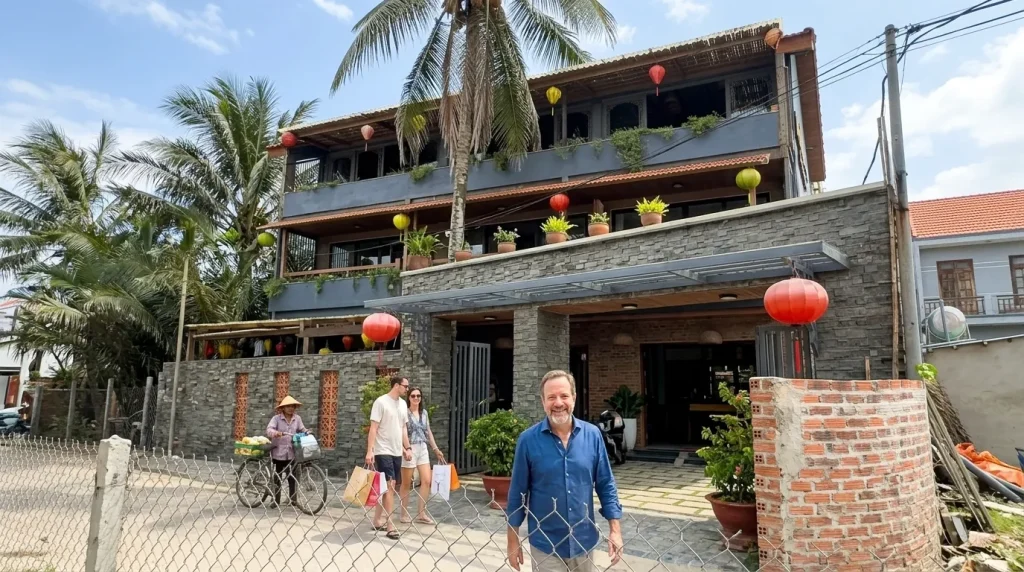
Some of the cafes out here feature incredible panoramic views, even if they aren’t easily accessed on foot. Regardless of where your hotel is located, you should 100% venture out into the countryside just to see the rice fields. Three of my favorite spots located north of Old Town are Coffee Xóm Chiêu, Roving Chill House, and Nghé Coffee & Vegan (NGHE Rice Paddy Cafe). I highly recommend ordering the exquisite Green Eggs dish at NGHE!
Bonus Hotel in Hoi An
While recently exploring a variety of properties around the city, I made a new discovery that I wanted to share: the 4-star Silk River Hotel & Spa. This property genuinely deserves its own bonus section because its unique location doesn’t neatly fit into any of the categories outlined above.

The Silk River is positioned east of Old Town right along the Thu Bon River, yet it sits west of the Cam Thanh Rice Fields. From the hotel, you can enjoy a highly pleasant 20-minute walk (or a really quick bike ride) straight into the heart of Old Town, with the option to stroll directly alongside the riverfront.
The hotel places you a mere 10 minutes from the bridge leading to Hoi An Memories Land, the venue for the awe-inspiring Hoi An Memories Show. Frequently described as the largest outdoor visual arts performance in Vietnam, this spectacle is an absolute must-see. Staged on a massive 25,000-square-meter water stage, the show features over 500 performers adorned in traditional ao dai. Running from 8:00 PM to 9:00 PM nearly every night (except Tuesdays), the production utilizes high-tech 3D mapping and stunning choreography to dramatically recount the 400-year history of Hoi An across five breathtaking acts.
Final Tips and Thoughts
To ensure your vacation is entirely stress-free, I highly advise organizing an e-sim for your smartphone before your flight lands. Save yourself the headache. Additionally, make sure you carry a stash of small cash in Vietnamese Dong. A lot of the smaller local street vendors still do not accept cards.
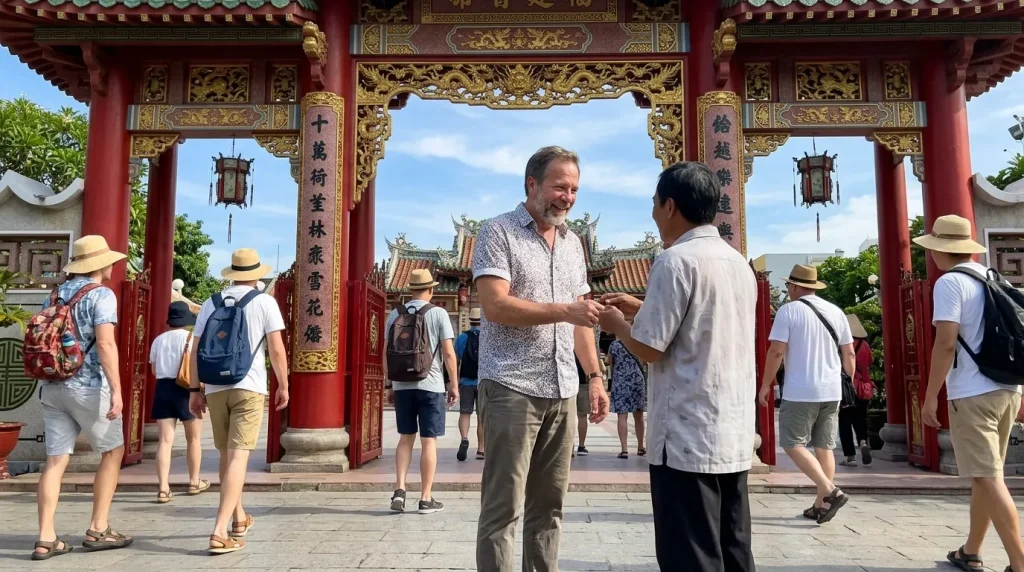
If forced to choose just one single area to serve as a base for a first-time visitor, I would pick a spot right in or immediately near Old Town. You just can’t beat the convenience.